





















































































Volunteer with Elephants

 Activities
 Rhino Conservation
 Wildlife Conservation
 Animal
 Lion Conservation
 Antelope Conservation
 Africa
Black Rhino
Africa
Black Rhino
 Anti Poaching
 Southern Africa
 Giraffe Conservation
 South Africa
 Southwest African Lion
 White Rhino
 African Elephant
 Bush Elephant
 Leopard Conservation
 African Leopard
 Hotspots
 Planting Trees
Masai Giraffe
Planting Trees
Masai Giraffe
 Cheetah Conservation
 Hyena Conservation
 Spotted Hyena
 Southern Giraffe
 Bengal Tiger
Tiger Conservation
Bengal Tiger
Tiger Conservation
 Zebra Conservation
 Buffalo Conservation
 African Buffalo
 Kudu
Kudu
 South African Cheetah
 Asia
Asia
 Asian Elephant
 Impala
 South East Asia
 Kruger National Park
 Mountain Zebra
 National Park
 Bushbuck
 Premium
 Thailand
 Safari
West African Lion
Masai Lion
Safari
West African Lion
Masai Lion
 Vegan
Vegan
 Animal Sanctuary
Black Wildebeest
Animal Sanctuary
Black Wildebeest
 Eastern Africa
 Zimbabwe
 Bangkok
 Northwest African Cheetah
 Reptile Conservation
 Crocodile
 Plains Zebra
Springbok
Plains Zebra
Springbok
 Elephant Research
 Reforestation
 Cambodia
 Indian Elephant
 Caracal Conservation
 Caracal
 South African Hippo
Hippo Conservation
South African Hippo
Hippo Conservation
 Black-backed Jackal
Eland Antelope
Jackal Conservation
Black-backed Jackal
Eland Antelope
Jackal Conservation
 Meerkat Conservation
 Warthog Conservation
 Meerkat
Common Warthog
Meerkat
Common Warthog
 Port Elizabeth
 Horse
Horse Trekking
Horse
Horse Trekking
 Volunteer and Travel
 Voluntourism
 Southern Asia
 Sri Lanka
 Sri Lankan Elephant
 Monastery
 Chiang Mai
 Desert Elephant
 Namibia
Brown Hyena
Namibia
Brown Hyena
 Yoga
Yoga
 Monkey Conservation
 Koh Samui
 Bear Conservation
 Gibbon
 Aardvark
 Tubulidentata Conservation
 African Wild Dog Conservation
 Plettenberg Bay
East African Wild Dog
Sun Bear
Plettenberg Bay
East African Wild Dog
Sun Bear
 Civet
Civet Conservation
Civet
Civet Conservation
 Macaque
 Tanzania
 Coffee
 Arusha
 Kilimanjaro
 Serengeti
 Wildcat Conservation
Lorise
Asiatic Black Bear
Asian Wildcat
Wildcat Conservation
Lorise
Asiatic Black Bear
Asian Wildcat
 Otter Conservation
 Giant Otter
 Plant Conservation
 Ecological Farming
 Environment
Mangrove
Environment
Mangrove
 Conservation Work
 Indigenous cultures
Dusky Leaf Monkey
Indigenous cultures
Dusky Leaf Monkey
 Laos
Laos
 Elusive Pangolin
Pangolin Conservation
Elusive Pangolin
Pangolin Conservation
 Nyala
Nyala
 Transvaal Lion
 Honey Badger
Badger Conservation
Honey Badger
Badger Conservation
 Oryx
Oryx
 Intern Abroad
 Photography Internship
 Marketing and IT
 NGO Support
 Sloth Bear
 India
India
 Indian Leopard
 Delhi
Cape Wild Dog
Blue Wildebeest
Delhi
Cape Wild Dog
Blue Wildebeest
 Kumasi
 Ghana
Ghana
 Western Africa
Mona Monkey
Black-and-white Colobus
Western Africa
Mona Monkey
Black-and-white Colobus
 Günthers Dik-Dik
 Hiking
 Botswana
 Psychology Internship
 Physical Therapy Internship
 Dental Internship
 Bird Conservation
 Nursing Internship
 Animal Shelter
 Malawi
 Eagle
Serval
Eagle
Serval
 Vervet Monkey
African Black Eagle
Vervet Monkey
African Black Eagle
 Baboon
 Veterinary Training
 Dog
Dog
 Cats
Cats






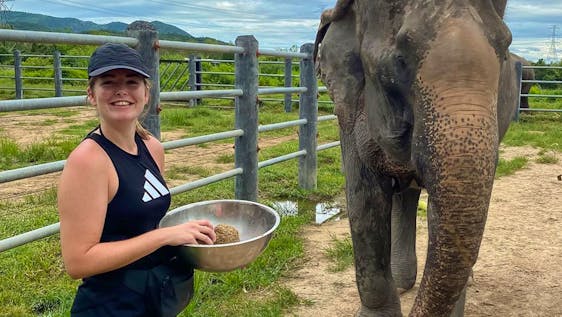
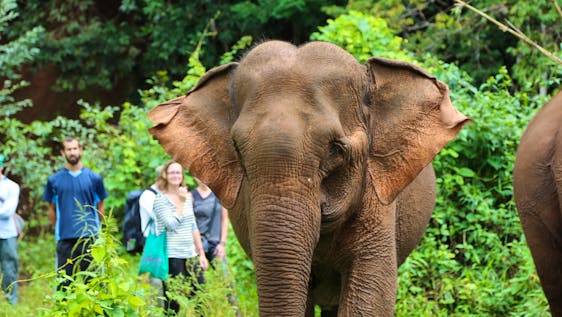

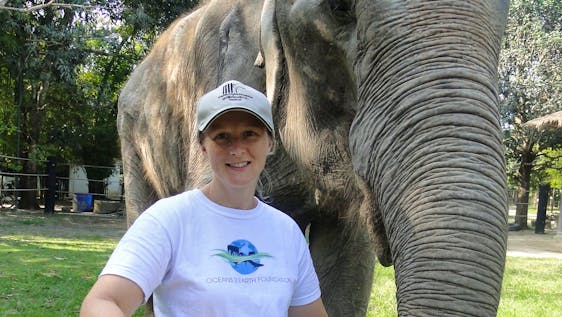


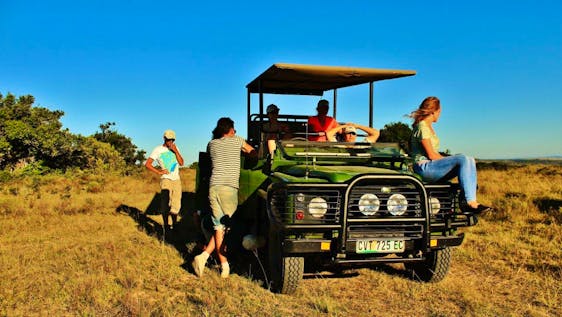





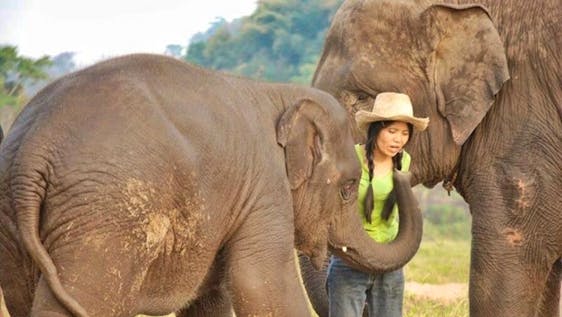


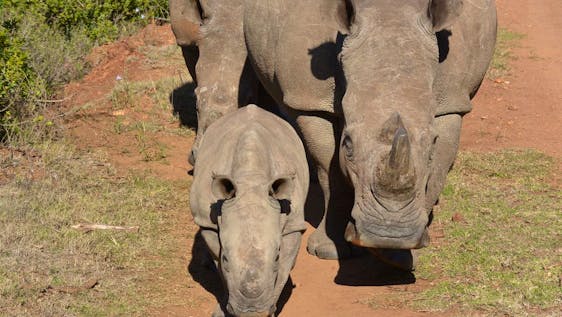

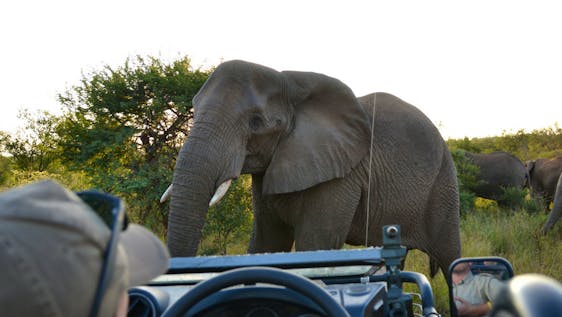


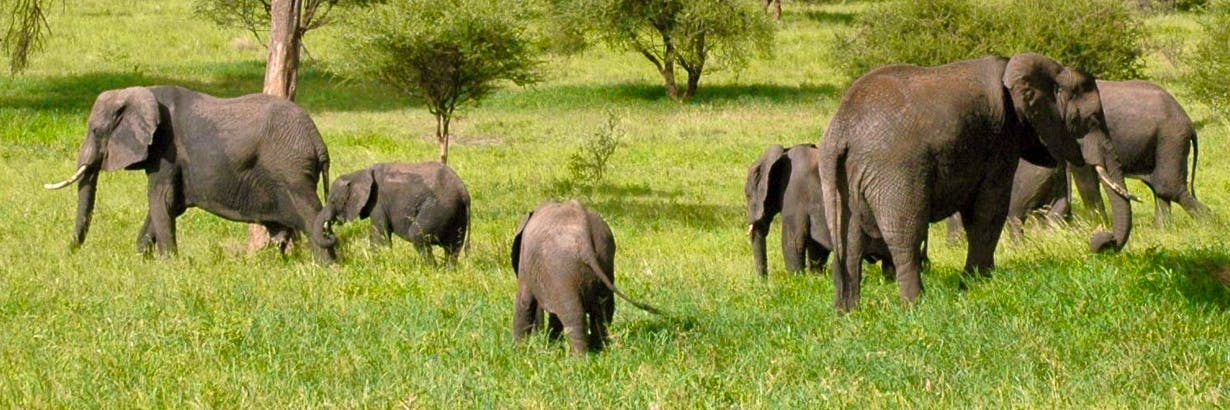
Elephant Sanctuary Programs
You want to protect elephants—no shows, no riding, just real impact. This guide takes you from first idea to the right decision in minutes, with a focus on hands-off ethics, clear roles (HEC, monitoring, community), and smart hub picks in Thailand, Sri Lanka, Africa, and Borneo.
If you’re searching for serious elephant sanctuaries near Chiang Mai—no riding, feeding, or bathing—you’ll find the best hands-off options here and the key criteria to identify true no-riding sanctuaries.
⚡ TL;DR
- Ethics first: no riding, no shows, no forced interactions. Prioritize observation, research, and community work.
- Quick start: Hands-off with zero interactions → pick by goal: Northern Thailand, Sri Lanka, Kenya, Borneo (Sabah), South Africa, Namibia.
- Use-case match: Ethics & learning: Northern Thailand · HEC & community: Sri Lanka/Kenya · Rainforest & pygmy elephants: Borneo · Big Five/anti-poaching: South Africa · Desert elephants & off-road: Namibia.
- Realistic duration: 2–3 weeks deliver measurable contributions (HEC upkeep, data backlog, patrol support). 4+ weeks = deeper field methods.
- Budget: typically about $425–$650/week incl. housing (≈ €400–€600) — see budget-friendly programs.
- What you’ll get here: ethical elephant volunteering in Thailand without riding, credible Chiang Mai sanctuaries, plus alternatives in Sri Lanka, Kenya & Namibia.
How to choose well
- Clarify motivation: Ethics & learning (Northern Thailand), community impact (Sri Lanka / Kenya), rainforest fieldwork (Borneo), Big Five setting (South Africa).
- Check seasonality: dry months = better visibility & logistics (e.g., May–Sep in Kruger; Mar–Oct in Borneo).
- Match duration & role: 2–3 weeks → impact sprints (HEC upkeep, data upload); 4–8 weeks → methods (transects, camera traps, HEC evaluation).
- Run the ethics check: Hands-off, no chains/bullhooks, transparent origin & vet care (see ethics checklist below).
- Plan travel & weekends: Basing near Chiang Mai, Nairobi, Windhoek or Cape Town saves time & money.
Pro tip for US travelers: if a project sells “bathe/feed elephants” or selfie time, it’s not truly hands-off. Credible hubs emphasize observation, data, and community outcomes.
🧭 Quick country fit














🇹🇭 Thailand (Northern Thailand)
Ethics focus: Hands-off, rehab of former working elephants. No riding/bathing.
Why here? Well-connected hubs around Chiang Mai; clear learning curve + community contact. Ideal if you’re searching for ethical elephant volunteering in Thailand without riding or a credible Chiang Mai sanctuary.
Around Chiang Mai, no-riding sanctuaries operate strictly hands-off: guided observation on forest trails, no riding/bathing/feeding—perfect for hands-off elephant work.
Best time: Year-round; Nov–Feb is most comfortable.
Typical week: 2 field days (behavioral trails, forage plants), 1 community day, 1 data-entry day.
Sample Week — Chiang Mai (hands-off)
| Day | Activity |
|---|---|
| Mon | Orientation, ethics briefing, forest observation trail |
| Tue | Behavior monitoring (trail transect) + community visit |
| Wed | Data entry & forage-plant mapping session |
| Thu | Observation trail + ranger/vet talk (no handling) |
| Fri | QA check, uploads, weekend planning |
| Sat/Sun | Rest / optional cultural day (no elephant interaction) |
Start: Thailand programs
🇱🇰 Sri Lanka
Ethics focus: Reduce Human–Elephant Conflict (HEC): bee/chili fences, corridors, trainings.
Why here? High community impact; clear roles for beginners (workshops, monitoring). Great for practical conservation with HEC focus—hands-on without handling.
Best time: Nov–Apr (S/W), May–Sep (East).
Typical week: Follows harvest calendar: 1–2 bee/chili fences, village workshops with 20–30 participants, corridor mapping & data upload.
Start: Sri Lanka conservation
🇮🇩 Borneo (Sabah)
Ethics focus: Rainforest wildlife, Bornean pygmy elephants, corridor work.
Why here? Deep jungle feel; field methods (corridor mapping, HEC workshops). Ideal for students & nature nerds.
Best time: Mar–Oct.
Typical week: 4–8 camera-trap checks, corridor tracking (GPS/transects), community briefings, dataset prep (photos/meta) for analysis.
Start: Borneo · Sanctuary in Borneo
🇿🇦 South Africa (Greater Kruger / Limpopo)
Ethics focus: Reserve work, anti-poaching support, datasets—Big Five setting.
Why here? Top pick for 2–3 week impact sprints. Strong infrastructure; great weekend safaris.
Best time: May–Sep (dry).
Typical week: Patrols (track & sign), 2–3 data-care sessions, occasional reserve maintenance; weekends: guided game drives.
Start: South Africa: Elephants · Kruger
🇳🇦 Namibia (Desert Elephants)
Ethics focus: Desert-elephant protection, water-point management, community.
Why here? Big skies & adventure. Loved by 50+ and outdoor pros; clear tasks (transects, infrastructure).
Best time: Apr–Oct.
Typical week: Water-point maintenance & transects in heat up to 95 °F (35 °C). Volunteers log 100–200 GPS points/week. Suits robust, adventure-ready profiles.
Start: Namibia · Sanctuary Namibia
🇰🇪 Kenya (Amboseli/Tsavo)
Ethics focus: HEC innovation with bee fences, corridors, education.
Why here? Strong community impact; excellent learning in conflict prevention & monitoring.
Best time: Jun–Oct, Jan–Feb.
Typical week: HEC hubs install ~1 bee fence/week and train 15–25 families; monitoring & datasets round out prevention.
Start: Kenya · Wildlife in Africa
🇿🇼 Zimbabwe / 🇲🇼 Malawi
Ethics focus: Heavy fieldwork, minimal tourism, anti-poaching support.
Why here? “Bush-ready”—genuine wilderness, robust tasks, direct impact.
Best time: May–Sep.
Typical week: Anti-poaching support, transects & water-point checks, community meetings; heat & off-road conditions likely.
Start: Malawi · All projects in Africa
✅ Ethics check: how to spot a serious elephant-protection project
- No riding, no shows, no forced bathing/feeding — hands-off is the norm.
- No chains/bullhooks, natural groupings & ample space.
- Community integration (e.g., Karen villages near Chiang Mai) instead of selfie attractions.
- Clear learning goals & data use (monitoring, HEC prevention, education).
- Transparency on animal origin, vet care, and funding.
| Practice | Policy |
|---|---|
| Riding / Shows | ❌ Not allowed |
| Feeding / Bathing | ❌ Not allowed |
| Bullhooks / Chains | ❌ Not used |
| Calf Access for Photos | ❌ Not allowed |
| Minimum Distance | ✅ Enforced |
| Veterinary Protocols | ✅ Documented |
| Community Revenue Share | ✅ In place (varies by hub) |
- You want to ride, feed, or bathe elephants.
- You expect close-contact selfies or petting-zoo style experiences.
Pre-booking checklist: 1) Animal origin? 2) No riding/shows? 3) Documented vet care? 4) Community programs? 5) Financial transparency?
Red flags: “Bathe/Feed elephants” in the itinerary, bullhooks/chains, selfie-heavy marketing, unclear animal sourcing, or baby access for photos — that’s not hands-off protection.
🗺️ Hub comparison: Thailand, Sri Lanka, Borneo, Southern & Eastern Africa
| Hub/Region | Focus & ethics | Best season | Typical tasks | Good for | Direct links |
|---|---|---|---|---|---|
| 🇹🇭 Northern Thailand (Chiang Mai / Chiang Rai) | Hands-off, reintegration of former working elephants; no riding/bathing | Year-round; Nov–Feb most pleasant | Behavior monitoring, forage plants, trails, community talks | Beginners – students – 50+ – families | Elephants in Thailand · Chiang Mai |
| 🇱🇰 Sri Lanka | HEC prevention (chili/bee fences), community education | Nov–Apr (S/W), May–Sep (East) | HEC mapping, workshops, data uploads, visitor management | Beginners – educators/comms – 2–3 week sprints | Elephants in Sri Lanka · Sri Lanka programs |
| 🇮🇩 Borneo (Sabah) | Pygmy elephants; corridors & HEC, rainforest | Mar–Oct | Corridor mapping, HEC workshops, community | Students – field methods – rainforest fans | Borneo · Wildlife Sanctuary Borneo |
| 🇿🇦 South Africa (Greater Kruger / Limpopo) | Reserves, anti-poaching support, Big Five | May–Sep (dry) | Patrols, track & sign, data care | Beginners – 2–3 weeks – adults | South Africa: Elephants · Kruger |
| 🇳🇦 Namibia (Damaraland/Desert Elephants) | Desert elephants, HEC (water points), community focus | Apr–Oct | Water infrastructure, HEC measures, transects | Adventurous – outdoor – 50+ | Namibia · Wildlife Sanctuary Namibia |
| 🇰🇪 Kenya (Amboseli/Tsavo) | HEC innovation (bee fences), corridors, community | Jun–Oct, Jan–Feb | HEC projects, trainings, monitoring, datasets | Students – impact focus – groups | Kenya · Wildlife in Africa |
| 🇿🇼 Zimbabwe / 🇲🇼 Malawi | Low tourism, high fieldwork (hands-off) | May–Sep | Anti-poaching support, data care, community | Robust profiles – “bush ready” | Malawi · All Africa projects |
🎯 Decision Matrix — pick by motivation
| Motivation | Best match | Why |
|---|---|---|
| Ethics & learning | Northern Thailand | Strict hands-off, structured learning curve, community touchpoints |
| Community impact (HEC) | Sri Lanka / Kenya | Bee/chili fences, corridor work, workshops with measurable outcomes |
| Rainforest methods | Borneo (Sabah) | Camera traps, corridor mapping, pygmy elephants |
| Short PTO + big wildlife | South Africa | Solid infrastructure, anti-poaching support, weekend safaris |
| Adventure & remote | Namibia | Desert elephants, water-point logistics, transects in heat |
⏳ Duration & 💸 Budget — plan realistically
- 2–3 weeks: “impact sprints” — HEC upkeep, data upload, patrol support; ideal for working professionals.
- 4–8 weeks: methods & analysis (transects, camera traps, HEC evaluation) — great for students / internships.
- Typical cost: about $425–$650 per week including housing (excludes flights/visas). See budget-friendly programs.
| Included | Not included |
|---|---|
| Accommodation (shared) | International flights |
| Orientation & training | Visa/ETA fees |
| Local transfers to project sites | Personal travel insurance |
| On-site coordination & supervision | Vaccinations & travel-clinic costs |
| Project materials (HEC/camera traps) | Weekend trips & optional tours |
- 🐝 1–3 HEC measures (bee/chili) installed or maintained
- 📸 4–12 camera-trap checks & SD swaps
- 📍 100–300 QA-verified records (GPS/forms/photos)
- 👥 20–60 workshop participants
🧩 Human–Elephant Conflict (HEC): how you help on site
Definition: Conflicts between elephants and communities (crops, paths, water points). Prevention: bee fences, chili hedges, visitor management, corridor mapping.
- Installation & maintenance (seasonal plans, materials lists)
- Monitoring (GPS, photo-docs, data upload)
- Workshops & school materials
🐘 Species & subspecies — quick
- African elephant — savanna & forest; risks: ivory, habitat loss, HEC.
- Asian elephant — e.g., Sri Lanka, Sumatra, Borneo, India; key threats: habitat loss & captivity.
➕ Beyond elephants: smart combo add-ons
- 🐘 + 🦓 South Africa: elephant datasets + weekend Big Five drives
- 🐘 + 🐢 Sri Lanka → Greece: elephants (HEC) + sea turtle patrol (seasonal)
- 🐘 + 🦧 Borneo → Indonesia: pygmy elephants + primate conservation
🧰 Methods & tools — elephant conservation in the field
| Method | Purpose | Volunteer tasks | Skill | Avoid |
|---|---|---|---|---|
| HEC prevention | Lower conflict & retaliation | Install/maintain bee/chili fences; document effectiveness | Beginner | Skipping community buy-in; neglecting seasonal care |
| Camera traps | Capture activity & individuals | Setup, SD swaps, metadata, upload | Beginner+ | Inconsistent height/angle; messy filenames |
| Transects & track-and-sign | Quantify density/routes | Track reading, GPS, forms, prep heat maps | Beginner+ | No double-entry in hotspots |
| Community work | Shift behavior | Workshops, posters, practical demos | Communication | Jargon; not tailoring to local context |
| Data/QA | Decision support | Uploads, required fields, dedupe, audit log | Beginner | Skipping daily backups |
Typical outputs per week: 1–3 HEC measures, 4–12 camera-trap checks, 100–300 QA-verified records. These feed real conservation decisions—e.g., where fences work, which routes elephants use, and where to defuse conflict.
🌱 Responsible travel — quick checklist
- Refillable water bottle; minimize single-use plastics
- Support local markets & services
- Ask before photographing communities
- Offset flights responsibly; choose nonstop when possible
- Learn 3 phrases in the local language
🎒 Packing & fitness — what you truly need
- Lightweight long sleeves/pants (sun/insects), sturdy footwear, rain shell (Borneo/SE Asia).
- Power bank, headlamp, reusable bottle, dry snacks for the field.
- Personal meds, small first-aid kit, skin/mosquito protection.
- Fitness: 5–8 miles (8–12 km) of trail walking on some days.
Elephant-specific: neutral clothing (avoid crinkly plastic bags/strong-smelling snacks); no fruit in your daypack—minimizes unwanted approaches.
US-specific extras: Type C/G outlet adapter; offline maps; keep a physical copy of your passport and a secure cloud backup.
🛡️ Safety, visas & insurance
- Safety: group rules, distance from wildlife, radio/emergency chain; in reserves (Kruger) follow ranger briefings.
- Visas: vary by country (Thailand, Sri Lanka, Kenya, Namibia). US passport holders usually enter on tourist visas/ETAs (often 30–90 days).
- Insurance: travel medical + evacuation and gear coverage recommended. Confirm evacuation covers remote/rural operations, not just urban hospitals.
🤝 Who is this for? — Roles & fit
👩💻 Working professionals (2–3 weeks)
- “Impact sprints”: data backlog, HEC checks, reserve maintenance
- Ideal for pairing PTO with impact on a fixed timeline
- More: Programs for adults · Top programs
From the field: In 2–3 weeks, US volunteers commonly process up to 200 records or maintain 1–2 HEC lines—clear value even on a short stay.
🧭 50+ volunteers
- HEC documentation, trainings, QA lead, community liaison
- Popular because physically moderate and highly appreciated on site
- Info: 50+ volunteering
Roles with a QA/community focus leverage experience—favored by 50+ thanks to clear tasks & team structure.
👨👩👧 Families & under-18s
- Hands-off hubs with managed visitor flow (e.g., Northern Thailand or South Africa)
- Programs prioritizing safety & age-appropriate activities
- Family projects · Under-18 programs
Hands-off hubs in Northern Thailand/South Africa offer age-aware visitor management—great for families.
🎓 Students/Gap/Internships
- Field methods (camera traps, transects), HEC evaluation; thesis-friendly
- Often with certificates or references that help with credits or résumés
- International internships · For students · Elephant research
🧩 Split placement — two hubs, double learning
Split placements pair ethics & learning (e.g., Thailand) with community impact (e.g., Sri Lanka)—one trip, two learning arcs. Benefits:
- One long-haul flight, two experiences: better ROI on airfare
- Visa efficiency: often easier within the same region
- Continuity of support: similar standards & points of contact
Examples:
- 2 weeks Northern Thailand (ethics & learning) + 2 weeks Sri Lanka (HEC & community)
- 2 weeks Namibia (desert elephants) + 2 weeks South Africa (reserve/anti-poaching)
- 3 weeks Borneo (pygmy elephants & rainforest) + 1 week Wildlife Sanctuary in Indonesia
🛬 Getting there & weekends — realistic planning
Many hubs start near well-connected cities:
- Bangkok · Chiang Mai · Phuket (Thailand)
- Colombo · Kandy (Sri Lanka)
- Nairobi · Mombasa (Kenya)
- Cape Town · Kruger (South Africa)
- Windhoek (Namibia)
Weekend ideas:
- Thailand: temples & food tours in Chiang Mai, Doi Inthanon trekking
- Sri Lanka: beaches in Mirissa, safari in Yala NP
- Kenya: Amboseli/Tsavo safari, Diani Beach downtime
- South Africa: Garden Route, Cape of Good Hope
- Namibia: Sossusvlei, Swakopmund adventures
👩🔬 Expertise & training — what you’ll actually learn
- Onboarding (Day 1): ethics, safety, HEC basics, data templates.
- Field drills (Week 1): track-and-sign, GPS, camera traps, community briefings.
- Deeper work (from Week 2): HEC evaluation, corridor mapping, data analysis.
- Outcomes: participation letter/certificate, useful for school or career.
For academic depth: internships · elephant research
📚 Mini case studies (from the field)
Thailand — hands-off works
A hub near Chiang Mai shifted from photo-interactions to pure observation. Outcome: stress indicators decreased, visitor ratings rose. Volunteers now focus on trails, forage plants & education—ethics and experience can align.
Sri Lanka — bee fences
A village along a corridor saw crop damage drop after installing bee-fence lines. Volunteers set up the fence, trained maintenance & documentation. Bonus: honey sales as added income—a practical HEC win.
Namibia — desert-elephant numbers
In 4 weeks, a team logged 700+ GPS points and renewed 5 water points. “I didn’t expect data collection to help so directly,” said a 54-year-old volunteer.
South Africa — anti-poaching success
In a Limpopo reserve, volunteers helped install 10 km of fencing and 50+ hours of night patrols. Result: zero documented poaching cases during that window.
Borneo — pygmy-elephant corridors
Volunteers mapped corridors used by Bornean pygmy elephants. Those datasets informed a land-use program—an example of volunteer data shaping policy.
“In just two weeks I processed ~200 records and helped a farm team maintain a bee fence. The work felt structured and genuinely needed.” — Emily, CA (US volunteer)
📈 Measuring impact — typical weekly indicators
| Metric (per week) | Range | Context |
|---|---|---|
| HEC measures installed/maintained | 1–3 | Chili/bee; varies with hub & season |
| Camera-trap checks | 4–12 | SD swap, metadata, upload |
| Community participants | 20–60 | Workshops, demos, trainings |
| QA-verified records | 100–300 | Forms, GPS, photos |
- 🐝 4,200+ HEC fence segments installed/maintained
- 📸 22,000+ camera-trap checks completed
- 📍 150,000+ GPS points logged
- 🗺️ 120+ km of corridors mapped
🧠 Myths vs. facts (short & clear)
- Myth: “Short rides don’t hurt.” — Fact: Ethical projects operate hands-off.
- Myth: “No selfies = no visitors.” — Fact: Ethical encounters are rated better long-term.
- Myth: “Bathing’s fine if they seem free.” — Fact: Bathing/feeding is a show, not conservation.
- Myth: “Two weeks can’t matter.” — Fact: Impact sprints deliver value from week one.
- Myth: “Volunteers replace local jobs.” — Fact: They complement rangers & communities and add capacity.
⚖️ Policy & legal — what serious hubs prioritize
- No ivory trade, no pressure-based “performances.”
- Transparent origin of rescued animals, clear exit plans (rewilding where possible).
- Safety standards (distance, group rules, emergency chain).
- International references: aligns with IUCN guidance & CITES convention.
Serious hubs are locally registered (NGO/NPO), maintain vet protocols, and do not raise calves for tourist programs.
🗓️ Idea to departure — timeline
- Week 0: Clarify motivation, run ethics check, shortlist 2–3 hubs.
- Week 1: Align availability & season, send provider questions, confirm budget.
- Weeks 2–3: Apply & secure spot, price flights & insurance.
- Weeks 4–6: Tourist visa/ETA (country-dependent), travel-clinic consult, finalize packing.
- Plan at least 6–8 weeks ahead for better fares & smooth prep.
- Departure – 1 week: emergency contacts & policies reviewed, offline maps, documents backed up.
US-specific: Consider a travel-health visit for region-appropriate vaccines (e.g., Typhoid, Hep A; Rabies pre-exposure where advised). Carry proof of coverage and a payment method that works offline.
❓ Frequently asked questions — practical & thorough
What does a typical day look like?
Thailand: morning trails/observation, midday data care, afternoon community work. Namibia: water-point checks & transects; evening upload/briefing. Sri Lanka: HEC builds/workshops aligned to the harvest calendar.
How do I recognize a true hands-off sanctuary in Chiang Mai?
No riding/bathing/feeding, no bullhooks/chains, documented vet care, community programs, transparent origin, clear visitor management without selfie gimmicks.
How do I measure my own impact on site?
Weekly micro-metrics: 1–3 HEC measures, 4–12 camera-trap checks, 100–300 QA records, 20–60 workshop participants. Most hubs provide closing feedback/a short report.
Are split placements really worth it?
Yes—double learning within one trip. Examples: Thailand + Sri Lanka (ethics + HEC), Namibia + South Africa (desert + Big Five), Borneo + Indonesia (rainforest + sanctuary).
How do volunteers work with local communities?
Volunteers support (workshops, documentation, HEC), they don’t replace local teams. Decisions rest with rangers/NGOs/communities; the goal is capacity building & conflict prevention.
What are the physical requirements?
Thailand: 5–8 miles (8–12 km) walking days. Namibia: heat/off-road, occasional lifting. Borneo: hot-humid, slippery trails. Roles are often adjustable to fitness levels.
Can I earn credit or résumé value?
Often yes: certificates or supervisor letters are common; for college credit/thesis, confirm with your department in advance.
How safe is it? What happens in an emergency?
Briefings, minimum distances, radio/emergency chain are standard. Reserves (e.g., Kruger) enforce visitor codes. Recommended: travel insurance with medical evacuation.
What visas & vaccines do I need?
Usually tourist visas/ETAs (30–90 days). Vaccines are individual—see a travel clinic 4–6 weeks prior (routine + region-specific; rabies pre-exposure may be advised for fieldwork).
How much does it cost—and what’s included?
Benchmark $425–$650/week incl. housing, local transfers, guidance, training. Extras: flights, insurance, visas/vaccines, weekend trips. See budget-friendly options.
Are there age limits or family programs?
Many hubs accept U18 with guardian or offer family slots. 50+ find strong roles (QA, community, documentation). Check hub specifics.
What language & prior experience do I need?
English typically suffices; local languages are a plus. No prior experience required—on-site training covers GPS, transects, camera traps & HEC basics.
How do I check ethics & avoid greenwashing before booking?
5 questions: animal origin? zero interactions? documented vet care? community involvement? financial transparency? Red flags: riding/bathing/feeding, bullhooks/chains, baby access for photos.
What’s the ideal season—also for sightings?
Thailand: year-round, best Nov–Feb · Sri Lanka: Nov–Apr (S/W), May–Sep (East) · Borneo: Mar–Oct · Kruger/South Africa: May–Sep (dry) · Namibia: Apr–Oct · Kenya: Jun–Oct, Jan–Feb.
What’s on the packing list—any no-gos?
Light long layers, broken-in boots, rain shell, headlamp, bottle, power bank, repellent, first aid kit. No-gos: fruit in daypack, strong-smelling snacks, noisy/bright fabrics.
Can I use drones/pro camera gear?
Often no or permit-only (animal welfare, privacy, reserve rules). Clear in advance with the provider.
How can I lower my CO₂ footprint?
Split placements instead of separate trips, nonstop flights when possible, longer stays (4–8 weeks), reputable offsets, and public transit on site.