





































Volunteer in Greece

 Hotspots
 Animal
 Sea Turtle Conservation
 Marine Life
 Loggerhead Turtle
 Kefalonia
 Activities
 Scouts
 Animal Shelter
 Leatherback Turtle
 Street Animals
 Dog
Dog
 Thessaloniki
 Intern Abroad
 Crete
Crete
 Chios
Chios
 Community
 Construction
 Internship
Construction
Construction Internship
 Building Schools
 Waste Reduction
 Medical Training
 Healthcare
 Chania
 Athens
 Dolphin Conservation
 Veterinary Training
 Bottlenose Dolphin
 Diving
 Snorkeling
 Ocean Cleaning
 Blue Whale
Whale Conservation
Blue Whale
Whale Conservation
 Beach Cleaning
 Premium
 Cats
Cats
 Psychology Internship
 Eagle
Eagle
 Bird Conservation
 Horse
Horse
 Education
Horse Trekking
Education
Horse Trekking
 Primary School
 Nursing Internship
 Environment
 NGO Support
Rissos Dolphin
Striped Dolphin
Short-beaked Common Dolphin
NGO Support
Rissos Dolphin
Striped Dolphin
Short-beaked Common Dolphin
 Business Development
 Conservation Work
 Pediatrics Volunteer
 Animal Sanctuary
 Horse Sanctuary
 Refugees
 English Teaching
 Social Work
 Culture and Arts
 Childcare
 Wildlife Conservation
 Northern Giraffe
Giraffe Conservation
Northern Giraffe
Giraffe Conservation
 Marketing and IT
 Marine Conservation
 Manta Ray
 Shark Conservation
 Ray Conservation
 Shark Tagging
 Plastic Reduction
 Dental Internship
 Agriculture
Teaching Internship
Agriculture
Teaching Internship
 Sports
 Special Needs
 NGO Management
 Photography Internship
 Vegan
Ophthalmology Internships
Vegan
Ophthalmology Internships
 Ecological Farming
 Diving certificate
 Physical Therapy Internship











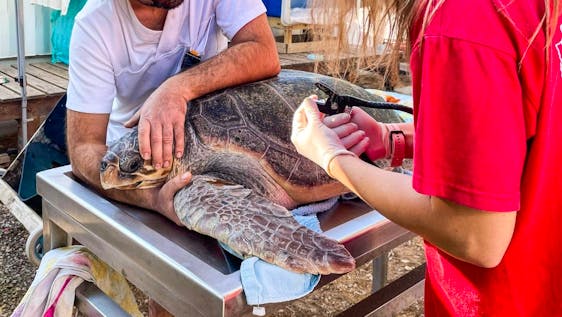

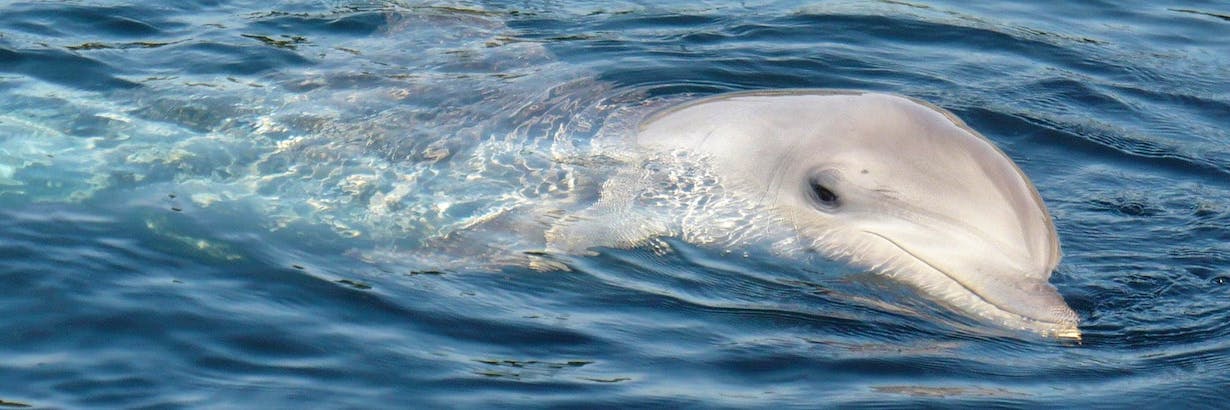
Volunteer work in Greece
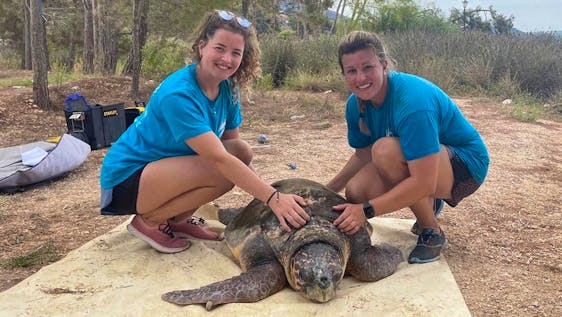
Picture this: sunrise on a Greek island, the sky glowing pink, and you’re walking the beach to protect nests of Sea Turtles Greece. That’s a pretty standard morning when you’re volunteering in Greece.
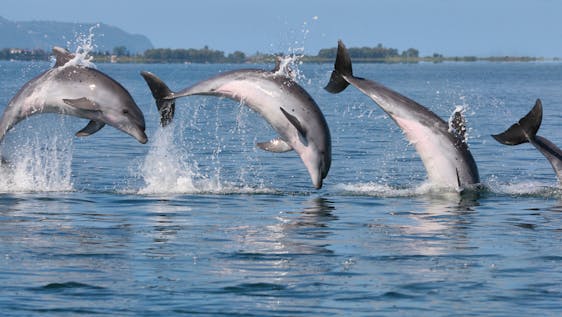
The sand is still cool as your team scans the shoreline. You spot fresh tracks, mark a new nest, set a protective cage, and log the GPS. A quiet pause—then a dolphin’s dorsal fin breaks the water in the distance. Back at base you upload data, sort photos, and plan the next patrol.
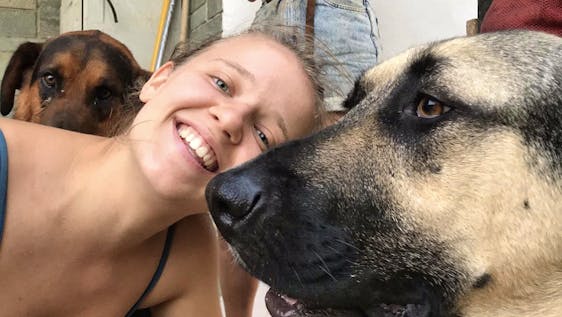
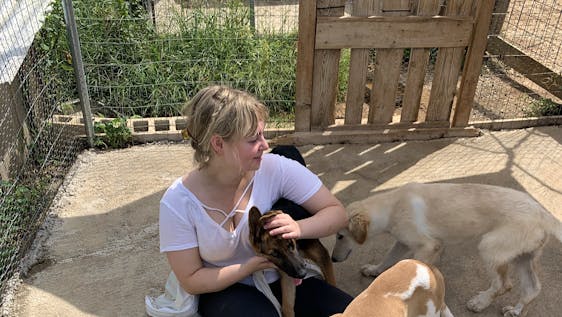
Or your day starts at a dog shelter: tails thumping at the gate, fresh water buckets, clean kennels, breakfast served. Later you write adoption profiles, take timid pups on calm walks, and practice leash manners. Every small routine adds structure—and boosts each dog’s chance of a forever home.
Evenings mean briefings, swapping stories, and setting up tomorrow’s shifts. In between there’s time for swims, market runs, and tiny tavernas. That’s what volunteering in Greece feels like: meaningful tasks, clear routines, and that special blend of nature, culture, and team spirit.
- 🐢🐕 Most popular & high-impact: sea turtle volunteer Greece (May–Oct) & dog rescue volunteer Greece (year-round).
- 📍 Where? Crete/Chania for marine research and dolphin surveys; Athens/Thessaloniki for social/education projects; Zakynthos/Peloponnese for turtle nesting beaches.
- 💶 Duration & costs: from 1–2 weeks. ~€350–€500/week incl. accommodation; daily budget ~US$48–110.
- 🗓️ Daily life: sunrise beach patrols/boat surveys, afternoon data & comms; shelters: animal care, socialization, adoptions.
- 🚀 Fast track: Decision guide → Season calendar → Application. Great for gap year Greece volunteer or summer volunteering in Greece.
🇬🇷 Why volunteer in Greece?
Sun, sea, and layered history—plus a huge range of ways to support nature and local communities. Volunteer programs in Greece fit students, gap year travelers, sabbatical-takers, and 50+ volunteers.
5 reasons Greece is perfect for volunteers
- 2,000+ islands and some of Europe’s richest coastal ecosystems
- Strong focus on wildlife conservation in Greece & hands-on research
- Safe destination with solid infrastructure
- Flexible stays from 1 week to 12+ weeks
- Blend of vacation vibes, culture, and measurable impact
🌊 Project types: volunteering in Greece (marine, animal care & community)
From field science to community support, here’s what you actually do on site—with extra detail for sea turtles and dog shelters, because they’re fan favorites.
Marine conservation & coastal research
Join boat surveys, analyze data, and help protect marine biodiversity—ideal for anyone curious about marine biology volunteer opportunities and marine conservation internships in Greece.
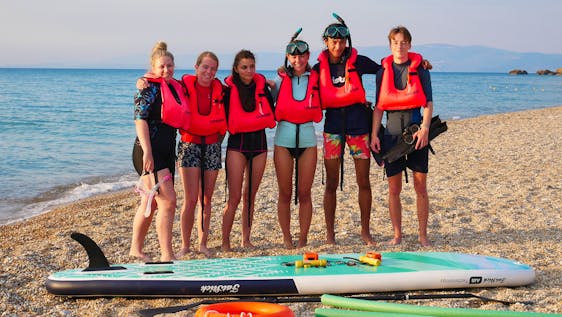
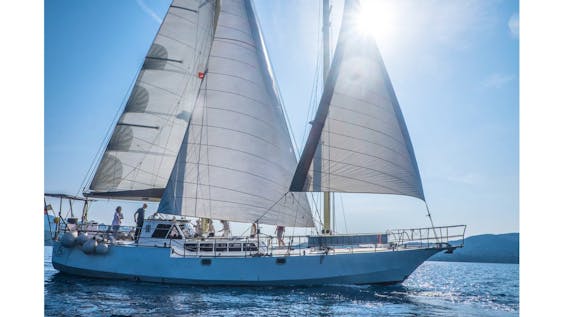
- Boat-based surveys & photo-ID of dolphins and whales (image capture, sighting logs, GPS)
- Nesting beach monitoring for Sea Turtles Greece (find, mark, protect nests; collect data)
- Seagrass & shoreline mapping (intro GIS, coastal transects, beach profiling)
- Microplastic sampling (transects, sieving, simple lab work, documentation)
- Visitor outreach: beach info stands, quick talks for travelers, school sessions
Sea turtle conservation: your on-the-beach tasks
- Sunrise patrols: locate fresh nests, mark correctly, install protective cages
- Hatchling support: evening/night observations, minimize light pollution, keep pathways clear
- Data work: GPS coordinates, clutch size, hatch success tracking
- Beach management: clear debris, place signage, protect fragile zones
- Visitor guidance: micro-briefings on distance, red light, and beach ethics
Good to bring: early-bird energy, basic fitness for sand/heat, teamwork. Nice-to-have: red-light headlamp, closed shoes, reusable bottle.
Season note: nesting mostly May–July; hatching Aug–Oct. Off-season focuses on data analysis, equipment care, and education. If you’re searching “sea turtle volunteer Greece” or “Greek island volunteering near turtle beaches,” this is your lane.
Animal welfare on land (dog shelters)
In Street Animals in Greece projects you’ll support partner shelters—perfect if you’re specifically after dog rescue volunteer Greece placements.
- Daily care: feeding, fresh water, kennel cleaning, hygiene checks
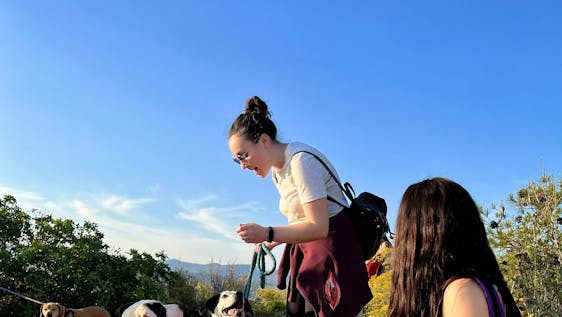
- Socializing & walks: leash training, basic commands, enrichment for anxious dogs
- Basic care (supervised): deworming, spot-on treatments, post-spay aftercare
- Adoptions support: photos/videos, short bios, posting for potential adopters
- Community outreach: sorting donations, supporting local awareness actions
Bring: patience, animal sense, and zero fear of mucking in. Handy: tough clothes, sturdy shoes, treat pouch.
Impact: Social time boosts adoption chances; consistent routines improve shelter health and reduce stress.
Land conservation & field research
Work across coastal and island habitats—great if you’re eyeing Greek island volunteering with a nature focus.
- Dune restoration, trail maintenance, removing invasive plants
- Species monitoring (walk transects, manage camera traps, track signs)
- Light lab/desk tasks (clean datasets, check protocols, write short reports)
Education & community projects
Teach English in Greece, tutoring, and environmental education—solid options if you’re comparing volunteer programs in Greece beyond wildlife. For community engagement, Refugees in Greece offers language cafés, everyday support, and materials logistics.
- Prep & deliver lessons (conversation, pronunciation, everyday vocabulary)
- Homework help, learning games, small-group coaching
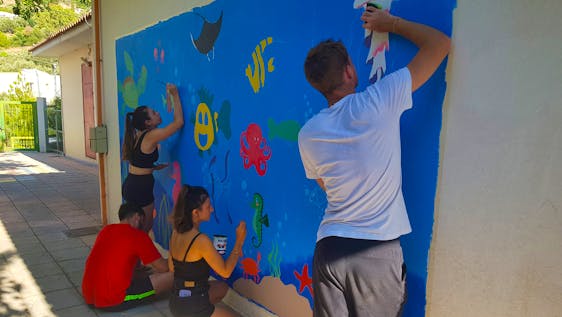
- Workshops on recycling, beach clean-ups, plastic-lite living
Media & communications
Make the projects visible and support fundraising—great for comms/journalism students considering an NGO internship in Greece.
- Create content (short clips, photo stories, blog posts)
- On-site mini docs: film day-in-the-life, record interviews (with consent)
- Micro-campaigns (awareness posts, event flyers, newsletter snippets)
- Reporting basics: track simple KPIs, curate before/after images
Quick fit: which path suits you?
- Early starts + beaches: sea turtles
- Hands-on with animals: dog shelters
- Science & data: boat surveys, photo-ID, mapping
- People & language: teaching/community
- Creative & digital: media/communications
🧭 Decision guide: find your best-fit volunteer program in Greece
This table helps you match your goals to the right program:
| If you want… | Choose… | Location idea |
|---|---|---|
| Dolphins/whales | Boat surveys & photo-ID | Chania, Crete |
| Sea turtles | Beach patrols & nest protection | Zakynthos, Peloponnese |
| Community focus | Refugee support or teaching | Athens, Thessaloniki |
| Short stay | 1–2 week projects | Crete or mainland |
| Academic internship | Longer research & data work | Crete (research base) |
📍 Greece volunteer locations compared: Crete, Athens & islands
Projects run on both mainland and islands. Tasks, free-time options, and culture vary by location.
| Location | Main focus | Good to know | Best for |
|---|---|---|---|
| Crete | Marine mammals, seagrass | Plenty of long-stay options | Students, internships |
| Chania | Boat surveys, mapping | International research team | Biology students, photographers |
| Athens | NGO back office, media | Easy access | Social projects, short stays |
| Thessaloniki | Youth & community | Lively student city | Culture-curious volunteers |
📅 Best time to volunteer in Greece – season calendar
Timing depends on the project. Use this when comparing volunteer programs in Greece by month:
| Month | Sea turtles | Dolphins & whales | Social projects | Tourist crowds |
|---|---|---|---|---|
| Jan–Feb | No activity | Rare sightings | Great for teaching/NGOs | Very low |
| Mar–Apr | Season prep | Start of fieldwork | Workshops & prep | Medium |
| May–Jun | Nesting | Good sightings | Start of summer season | Medium |
| Jul–Aug | High season—daily patrols | Many boat trips | Holiday projects | High |
| Sep–Oct | Hatching | Peak sightings | Calmer projects | Medium |
| Nov–Dec | Season ends | Data wrap-up | Winter projects | Very low |
🌦️ Weather & sea temps (rule-of-thumb)
Varies slightly by island/mainland—use this for planning:
| Month | Air (°C) | Sea (°C) | Note |
|---|---|---|---|
| Jan–Feb | 10–15 | 14–16 | Off-season; data/social focus |
| Mar–Apr | 14–20 | 15–17 | Prep period; first field days |
| May–Jun | 22–28 | 19–23 | Great for nesting/boat work |
| Jul–Aug | 28–35 | 24–27 | Peak season; long field days |
| Sep–Oct | 22–28 | 23–25 | Hatching; comfortable weather |
| Nov–Dec | 12–18 | 17–19 | Off-season; research/back office |
⏰ A day in the life: what your schedule looks like
Sample day – Marine conservation (field)
Early start, out on the water, afternoon data—working shoulder to shoulder with researchers.
| Time | Activity |
|---|---|
| 06:30 | Wake-up & briefing |
| 07:00–12:00 | Boat survey or beach patrol |
| 12:00–14:00 | Lunch break |
| 14:00–17:00 | Data entry, photo-ID, mapping |
| Evening | Team meeting, free time |
Sample day – Social/education (NGO)
Teaching, support, materials—then explore the city after hours.
| Time | Activity |
|---|---|
| 09:00 | Lesson planning |
| 10:00–13:00 | Classes/workshops |
| 13:00–14:00 | Lunch |
| 14:00–17:00 | Project tasks, media creation |
| Evening | NGO meetings or free time |
📝 How to apply for volunteering in Greece
- Filter programs by duration, start date, and focus (great for summer volunteering in Greece or a gap year plan).
- Create your profile and clarify accommodation/tasks.
- Submit your application (police check/medical if required).
- Confirm, plan travel, and check the packing list.
💶 Costs & budget for volunteering in Greece
Prices vary by location, season, and length of stay. Rule-of-thumb:
| Duration | Program fee (incl. accommodation) | Avg. daily spend |
|---|---|---|
| 1 week | €350–€500 | ~€70/day |
| 4 weeks | €1,200–€1,600 | ~€50/day |
| 12 weeks | €3,200–€4,200 | ~€40/day |
Usually included
- Accommodation (shared flat, guesthouse, or volunteer house)
- Orientation & project supervision
- Sometimes meals/local transfers (project-specific)
Not included
- Flights (→ find affordable flights)
- Travel insurance (→ what to consider)
- Public transport/ferries, leisure, meals out
- Optional gear (snorkel set, dive cert)
💡 Funding & scholarships
- Early-bird/groups: some projects offer discounts—ask early.
- Fundraising: transparent crowdfunding with updates from your project.
- Uni/employer: ECTS, internship credit, educational leave, or sabbatical options.
- Donations: tax receipts sometimes possible via partner NGOs (project-specific).
🛂 Visa & entry requirements
- EU citizens: ID/passport is enough (visa-free).
- Non-EU: check Schengen rules (usually up to 90 days).
- Under 18: bring a parental/guardian consent letter.
✅ Requirements & skills
- Minimum age usually 18 (some accept 16+ with consent)
- Basic English, teamwork, reasonable fitness
- Police check & health note may be required (project-dependent)
- Swimming recommended; snorkel/dive helpful but not mandatory
🧑🦽 Accessibility & inclusion
- Accommodation/access: some ground-floor rooms—ask early.
- Task mix: consider data entry, media, lesson prep, light admin.
- Diet: vegetarian/vegan often possible; share intolerances in advance.
🎒 Packing list (Mediterranean edition)
- Passport/ID, insurance, cards
- EU plug adapter, power bank, waterproof phone pouch/dry bag
- Reef-friendly sunscreen, hat, UV top, quick-dry towel
- Sturdy shoes, water shoes, light rain jacket
- Optional snorkel set; personal meds + prescriptions
🎭 Culture & free time
Make the most of your downtime—Greece is epic:
- Athens: Acropolis, Plaka, street food
- Crete: Samaria Gorge, Balos Beach, Cretan cuisine
- Santorini: Oia sunsets, caldera hike
- Weekend ideas: Meteora monasteries, Delphi, Peloponnese road trip
🛡️ Safety & health
Travel safety
- Greece is considered safe; watch for pickpockets in busy city spots
- Keep copies of ID/cards stored separately
- Emergency numbers: 100 (police), 166 (medical)
Health
- Sun protection & hydration are musts—fieldwork is outdoors
- Quality medical care; many private doctors speak English
- Bring a wind/rain layer in spring/autumn
🤝 Responsible volunteering: code of conduct
- Wildlife: do not touch/feed; keep distance; use red light at night on beaches
- Photos/video: get consent from NGO/people; protect sensitive locations
- Children/vulnerable groups: no private gifts; respect data protection; follow local safeguarding rules
- Shelters: medical tasks only under supervision; follow hygiene protocols
- Sustainability: refill bottle, reduce waste, support local businesses
📊 Impact & KPIs
Typical yearly outcomes (vary by project/location):
| Area | Typical annual impact | Your contribution |
|---|---|---|
| Sea turtles | 1,000+ nests recorded/protected | Patrols, nest protection, hatchling observation, data |
| Marine mammals | Hundreds of photo-ID sightings | Boat surveys, logbooks, image sorting |
| Dog shelters | Many vet visits/adoptions | Daily care, socialization, adoption profiles |
| Education/social | Dozens of workshops/classes | Prep & delivery, learning materials |
Note: KPIs differ by season and partner NGO; ask for recent metrics if you need them for uni/practice credit.
⭐ Volunteer stories
“Zakynthos was unforgettable—I helped protect turtle nests and made friends from all over.” — Lisa, 23
“Three weeks in Crete: dolphin monitoring was the highlight of my degree.” — Jonas, marine biology student
“Working with shelter dogs in Athens showed me how much structured care matters. I’ll be back!” — Sarah, 28
💚 Why book through Volunteer World?
- Vetted projects & secure booking
- Transparent reviews from past volunteers
- Personal support before, during & after your trip
❓ FAQ – Volunteering in Greece (practical & SEO-friendly)
1) What are the most popular volunteer programs in Greece (sea turtles, dog shelters) and what do I actually do?
Top picks: sea turtle conservation (sunrise/evening beach patrols, mark/protect nests, data entry, visitor guidance) and dog rescue volunteer Greece roles (daily care, socialization, walks, basic supervised care, adoption bios). Projects run on islands and the mainland.
2) Sea turtle volunteer Greece: where (Crete, Zakynthos, Peloponnese), when, and how does a patrol work?
Hotspots include Zakynthos, parts of the Peloponnese, and Crete. Season: Nesting May–July, Hatching Aug–Oct. Patrols: walk assigned sectors, identify tracks/nests, log GPS, set protective cages/signs; evenings focus on quiet hatchling observation using red light.
3) How physically demanding is marine conservation (start times, heat, kit)?
Expect early mornings/evening shifts and summer heat—sturdy shoes, hat, water (refill bottle), and sunscreen are essential. Midday tends to be data time in shade or office.
4) Dog rescue in Greece: tasks and skills needed?
Feeding, cleaning, enrichment, and basic training. No prior experience required—patience, reliability, animal sense, and hygiene protocols matter most. Great for anyone searching “dog rescue volunteer Greece”.
5) Minimum stay: how long should I volunteer in Greece by project type?
Short stays from 1–2 weeks are possible. For deeper impact, aim for 4–8 weeks. Research-heavy roles (photo-ID, mapping, analysis) are strongest at 8–12+ weeks.
6) Costs: what weekly/monthly budget is realistic for volunteering in Greece?
Guideline: €350–€500/week (incl. accommodation & supervision). Longer stays reduce weekly cost. Add daily spend for food, public transport/ferries, and free time, plus insurance and travel.
7) Volunteer accommodation: shared flats, guesthouses, studios—what about couples & 50+?
Common options: volunteer shared flats, houses, simple guesthouses. Couples can often book double rooms (confirm availability). 50+ welcome—tasks and comfort can be tailored; share your preferences early.
8) Best time to volunteer in Greece—by project and weather?
Marine conservation: spring–autumn. Sea turtles: nesting May–July, hatching Aug–Oct. Social/teaching: year-round. Peak summer is hot and busy; spring/autumn are milder and ideal for many volunteer programs in Greece.
9) Checks & health: do I need a police certificate, health note, or vaccinations?
Some partners request an entry-level police check and/or a basic health note. Discuss vaccines and personal meds with your doctor; bring prescriptions in original packaging.
10) Accessibility & diet: mobility, intolerances, special requirements
Consider data entry, photo review, media, and lesson prep tasks. Some ground-floor rooms are available. Vegetarian/vegan options are common; declare allergies/diets early.
11) Travel insurance for volunteering in Greece—do I really need it?
Yes—cover medical, evacuation, baggage, and fieldwork (beach/boat). Check exclusions and keep the policy accessible online and on paper.
12) Free time & island-hopping: can I combine it with my project?
Yes—best before/after your program or on days off. Check ferry timetables and shift plans. Classics: Crete, Santorini, Meteora, Delphi, and Peloponnese road trips.
13) Ethics: wildlife handling, kids, and social media
No touching/feeding wildlife; keep distance; use red light at night. Safeguard children’s privacy. Get consent before sharing content; don’t post sensitive data like exact nest locations.
14) Gear for sea turtle or dog rescue placements: what’s provided vs. what to bring?
Provided: protective cages, clipboards, gloves. Bring: sturdy/water shoes, red-light headlamp, sunscreen, refill bottle, tough clothing. Optional: snorkel gear; treat pouch for shelter walks.
15) Solo, couples, or friends: age limits and tips
Minimum age usually 18 (sometimes 16 with consent). Solo is great for meeting people. Couples/friends: ask for double/adjacent rooms and confirm the same placement in advance.
16) When to apply for volunteering in Greece (peak season)?
For summer and hatching season, apply 2–4 months ahead. Off-season allows shorter lead times, but early applications lock in your location, dates, and project type.